Food safety and commercial cleaning experts in Brampton assist you in maintaining restaurants, commissaries, baking operations, warehouses, and food service units to code. They sanitize high-touch points, food-contact surfaces, equipment, floors, drains, restrooms, and prep areas using certified sanitizers, correct concentration, and recorded contact times.
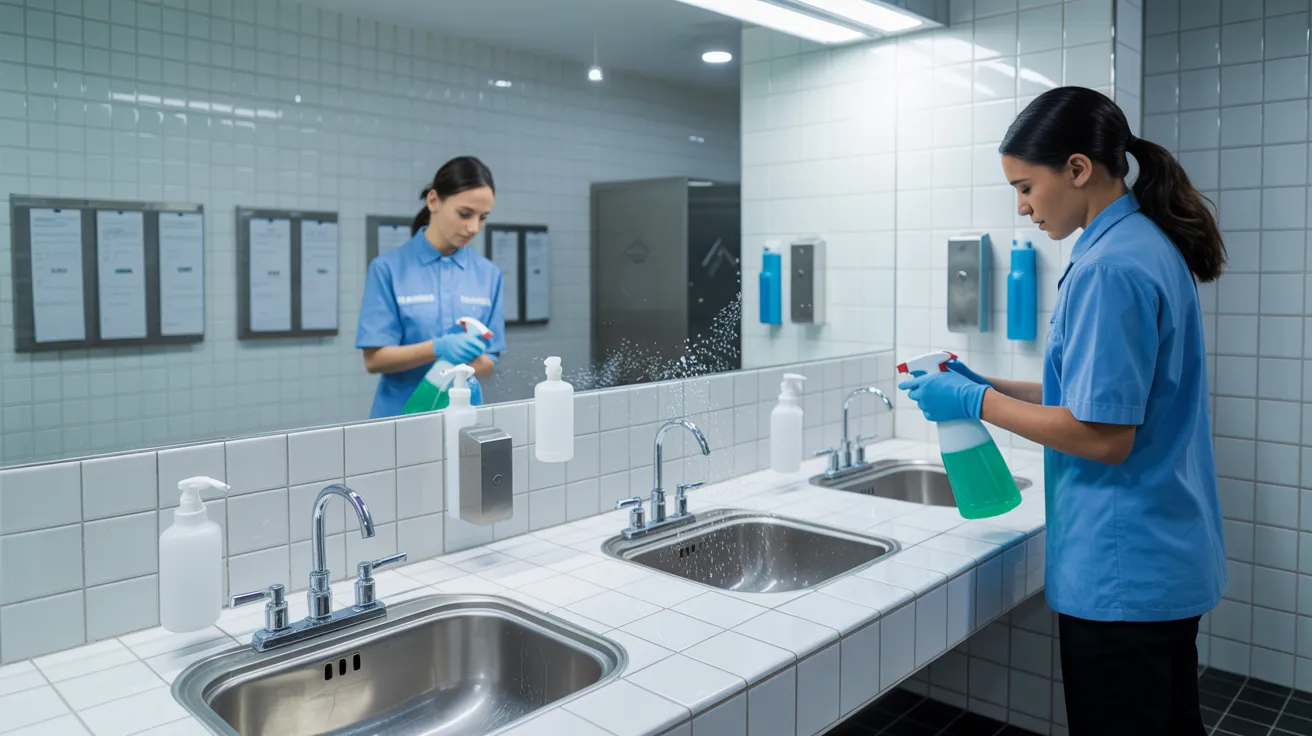
Main Points
- Brampton food safety cleaning experts maintain restaurants, grocery departments, commissaries, warehouses, bakeries, schools, mobile vendors, and allergen-sensitive operations.
- Cross-contamination avoidance is maintained by cleaning frequently contacted areas, food-contact equipment, kitchens, floors, drains, restrooms, and storage areas with area-specific procedures.
- Validation of proper chemical concentration, compatibility, and exposure duration is executed by approved specialists, with finalization logged using swabs, inspections, and remedial documentation.
- Everyday, weekly, and cyclical duties assigned by location constitute cleaning calendars founded on risk, throughput, transitions, releases, and regulations.
- Emphasize suppliers showing HACCP, health regulatory expertise, safety training training, liability, endorsements, color-categorized equipment, and assessment-ready cleaning files.
Food Safety Cleaning Requirements for Brampton Venues
You must follow food safety cleaning if your establishment is subject to public health review, food regulations, or HACCP systems. This covers restaurants, cafeterias, commissaries, grocery food departments, butcher shops, seafood counters, convenience stores, and institutional kitchens.
You also need documented food sanitation in storage facilities, food production centers, refrigerated locations, bakery retailers, school meal programs, event venues, and food distribution hubs. Temporary and mobile establishments count too, including food trucks, event vendors, and temporary booths. If your staff handle ingredients, section prepared foods, heat finished items, or keep allergens stored, your facility needs recorded sanitation procedures. In Brampton, hygiene isn't voluntary; it's part of statutory, business, and public health compliance.
What Do Brampton Cleaning Professionals Handle?
You need professional cleaners who disinfect frequently contacted areas, kitchen areas, floors, and bathrooms to comply with food safety and health regulations. They target these areas because they pose the greatest danger for cross-contamination, slipping risks, and hygiene violations.
By knowing exactly what gets cleaned, you are able to confirm your facility's cleaning procedures meet compliance standards.
Essential High-Touch Surface Sanitizing
establish how regularly each point is disinfected
By swapping wipes, implementing one-way systems, and segregating disinfection materials according to zone, you maintain a quantifiable, documented, and inspection-ready sanitation program.
Food Prep Areas, Flooring, and Sanitary Facilities
Brampton cleaning services zero in on kitchens, floors, and restrooms as each zone involves different sanitation, accident, and wellness concerns. In industrial kitchens, you need grease removal from cooking stations, appliance surfaces, drain systems, preparation areas, and backsplashes to minimize bacterial growth and pest activity.
Floor care that is documented should also be anticipated. Technicians scrub and extract buildup from grout, tile, and vinyl flooring, then apply proper moisture management so you can reduce slip incidents and maintain code-compliant conditions. They also handle entryways where moisture and debris migrate indoors.
For restroom sanitation, cleaners sanitize high-touch surfaces, bathroom fixtures, stall dividers, supply dispensers, and trash receptacles, then replace products and reduce odor. They also service restaurant moprooms, where chemical storage, sink hygiene, and drainage conditions can affect sanitation compliance and staff safety daily.
Food Safety Cleaning Significance for Brampton Businesses
Brampton businesses need to establish proper sanitation practices for satisfying legal standards and obtaining approval. You also minimize bacterial spread through proper cleaning of food-preparation surfaces, appliances, and frequently-touched items. Most importantly, you safeguard public health by lowering the risk of foodborne illness in your facility.
Health Code Compliance
Because Brampton food operations operate under strict public health standards, food safety cleaning directly affects your competence to adhere to health code requirements, protect customers, and avoid enforcement action. You must maintain clean food preparation areas, verifiable cleaning logs, safe chemical management, and verifiable staff procedures that correspond to municipal and provincial inspection expectations.
Should your cleaning standards slip, you face infractions, compliance orders, reputational harm, and service interruption risks during follow-up inspections or compliance actions.
Cross-Contamination Control
Following regulatory requirements depends on your skill in stopping cross-contamination in daily food handling and cleaning. You should isolate raw items from prepared foods, sanitize prep surfaces between tasks, and maintain separation of cleaning products from food. Well-defined guidelines decrease contamination chances and promote steady regulatory adherence.
Building allergen segregation prevents key allergens from reaching common workstations, storage, or apparatus. Leverage separate cutting boards, colored implements, and strict utensil labeling so team members won't blend products during preparation or service.Enforce handwashing after handling uncooked meats, shellfish, egg items, or allergen substances. Refresh cleaning cloths frequently, and confirm disinfectant efficacy using test strips. When you train staff to follow these controls every shift, you foster a cleaner, more secure operation that meets Brampton's food safety expectations daily.
Community Health Safety
When food safety cleaning deteriorate, you don't only risk a failed inspection—you expand the chance of food contamination affecting customers, staff, and the larger Brampton community. You also weaken your role in safeguarding community wellness, especially in busy food facilities where contamination can spread quickly through surfaces, equipment, and touchpoints.
You must implement cleaning procedures that remove soils, effectively sanitize, and ensure effectiveness. This involves maintaining exposure times, deploying approved disinfectants, recording schedules, and training employees to meet health-unit expectations. These initiatives promote pathogen control by reducing microbes before affecting food surfaces or hands. In Brampton, robust sanitation shields vulnerable populations, minimizes disease spread, and demonstrates accountability. When you adhere to proper protocols, you go beyond regulations—you substantially reduce risk and advance safer food handling throughout the city.
Why Is Cleaning Essential for Food Safety Compliance?
Strict sanitation practices support food safety compliance by decreasing contamination threats, preventing pathogen multiplication, and ensuring your facility complies with sanitation requirements under HACCP-based programs and public health regulations. You verify that contact surfaces stay visibly clean and microbiologically controlled, enabling documented preventive controls and inspection readiness.
Well-executed cleaning efforts also reinforce allergen prevention by removing residues that can provoke undeclared allergen exposure.
How Should You Plan Commercial Cleaning Work?
daily routine cleaning
Plan your periodic work from standard cleaning
Finding Quality Brampton Cleaning Experts: A Guide
Begin by evaluating providers based on food-safe sanitation requirements—not solely on price alone. You should confirm that each organization comprehends CFIA, public health, and HACCP-based requirements applicable to your facility. Request insurance certificates, WHMIS compliance, staff training documentation, and oversight procedures. Assess whether technicians recognize cross-contamination hazards, chemical handling protocols, and verifiable sanitation records.
Additionally, you need to evaluate service dependability and responsibility. Obtain references from food facilities in Brampton, then review response times, corrective measures, and communication practices. Verify the company conducts supplier reviews and can deliver compliance-ready records when inspectors or external parties need proof. Verify equipment is maintained, colour-coded tools are applied correctly, and location-specific dangers are identified. A capable service protects compliance, product quality, and your brand reputation.
What aspects should a sanitation plan contain?
Establish a documented program that clarifies every sanitation task, standard, and responsibility ahead of production commencement. You should specify cleaning intervals, permitted substances, dilution percentages, exposure times, instruments, and inspection methods for each zone, surface, and piece of equipment. Add pre-operational inspections, corrective actions, and employee training requirements.
Your strategy should also address cross-contamination controls, waste handling, pest-prevention measures, and documented schedules for restrooms, drains, floors, and food-contact areas. Detail how you'll separate raw and ready-to-eat processes, support ingredient tracking, and maintain accurate allergen labeling through validated cleaning between product changes. You should assign accountability, keep signed records, and assess results against regulatory standards, HACCP controls, and customer requirements. When gaps appear, modify procedures immediately and retrain staff.
Frequently Asked Questions about the Plan
Can cleaning services support nighttime operations in Brampton properties?
Yes, you can schedule cleaning services to support nighttime operations in Brampton facilities. You'll coordinate overnight sanitation around operational schedules, security measures, and staffing requirements. Providers typically map nightshift logistics to minimize interruption, maintain compliance, and document completed tasks. You should confirm response times, supervision, lockout procedures, and waste handling before service begins.
Are hazard containment solutions available from Brampton cleaning experts?
Yes, you can locate several Brampton cleaning professionals offering spill containment services. They handle contamination, assess dangers, isolate zones, and execute rapid cleanup to minimize risk and prevent disruption. You should verify response times, training credentials, safety measures, and disposal methods. If your facility needs compliance, pick a provider that logs events, follows procedures, and supports audits.
Can plant-based disinfectants be utilized safely on food-contact surfaces?
Definitely, eco-friendly disinfectants work safely on food preparation areas if you select solutions certified for food use that meet compliance requirements. You should check exposure duration, concentration levels, and rinse procedures before use. Natural-based solutions reduce toxic chemical contact, but you should obtain confirmation of performance against harmful bacteria. To keep surfaces residue-free, follow manufacturer directions precisely and validate your cleaning agent complies with relevant food safety standards.
Do maintenance plans support production fluctuations?
Yes, you can customize cleaning plans for seasonal variations. You should modify timing, personnel, chemicals, and testing procedures explore the details to align with seasonal workflows while preserving regulatory compliance. You'll decrease equipment downtime by organizing sanitization around production shifts, high demand periods, and equipment use patterns. You should also update standard operating procedures, training, and environmental testing to capture temporary risks, emerging allergens, or higher contamination levels. Ongoing evaluations keep your plan current.
Are professional cleaning companies offering employee instruction on sanitation best practices?
Indeed, professional cleaners often offer employee coaching on proper hygiene. Your staff receives training on proper chemical use, exposure durations, cross-contamination prevention, equipment breakdown, and documentation. They typically follow instruction with HACCP, GMP, and CFIA or regional health standards criteria. Many also execute sanitation audits to confirm standards, identify gaps, and strengthen improvement measures. This assists you to establish reliable processes, pass inspections, and reduce food safety risks each day.
Closing Remarks
Through engaging Brampton commercial cleaning and food safety specialists, you accomplish much beyond organizing—you keep your operation prepared for inspections and your procedures stay aligned with regulations. From production floors to kitchens, all clean areas and organized zones reduce contamination risks and prevent significant costs. Through scheduling maintenance on suitable timelines and sticking to a solid cleaning plan, you ensure protection for employees, your patrons, and your standing. In a tightly controlled regulatory landscape, clean conditions cannot be considered optional—they are fundamental to success.